AC Installation Handbook for Woodburn Oregon Houses
Installing a new air conditioning system in your Woodburn home represents one of the most significant comfort investments you'll make. With Oregon's increasingly warm summers and the Willamette Valley's unique climate challenges, proper AC installation requires careful planning, expert knowledge, and attention to local building requirements. This comprehensive handbook walks you through every aspect of residential AC installation, from initial system sizing through final commissioning, ensuring you make informed decisions that deliver years of reliable cooling comfort.
Understanding Central Air System Components
Your central air conditioning system consists of several interconnected components working together to cool your home effectively. The outdoor condenser unit houses the compressor, condenser coil, and fan that release heat from your home's interior. Inside your house, the evaporator coil typically mounts above or within your furnace, where it absorbs heat from circulating air. The refrigerant lines connect these components, carrying coolant that changes states to transfer heat energy.
Ductwork distributes cooled air throughout your living spaces, while return ducts pull warm air back to the system for cooling. Your thermostat controls system operation, and electrical connections power all components. Understanding these elements helps you communicate effectively with contractors and make informed decisions about system specifications and installation requirements.
Modern systems often include variable-speed components that adjust output based on cooling demands, improving efficiency and comfort. Smart thermostats integrate with these advanced systems to optimize performance and provide remote control capabilities. When planning your installation, consider how these components work together to create the most effective cooling solution for your specific home layout and usage patterns.
Proper System Sizing Calculations
Accurate system sizing forms the foundation of effective AC installation. Undersized units struggle to maintain comfortable temperatures during peak summer heat, running continuously without achieving desired cooling. Oversized systems cycle on and off frequently, failing to remove humidity effectively and wasting energy through inefficient operation.
Professional load calculations consider your home's square footage, ceiling heights, window sizes and orientations, insulation levels, and local climate conditions. In Woodburn's climate zone, calculations must account for summer temperatures reaching into the 90s and occasional heat waves exceeding 100 degrees. Your home's thermal envelope, including wall and roof insulation, window efficiency, and air sealing, significantly impacts cooling requirements.
Manual J load calculations provide the most accurate sizing method, examining room-by-room cooling needs and accounting for internal heat sources like appliances and lighting. These calculations consider your home's orientation, landscaping effects, and local weather patterns to determine precise capacity requirements. Professional contractors use specialized software to perform these calculations, ensuring your system matches your home's specific cooling demands.
SEER Rating Selection Guidelines
Seasonal Energy Efficiency Ratio (SEER) ratings measure your air conditioner's cooling efficiency over an entire season. Higher SEER ratings indicate greater efficiency, translating to lower operating costs and reduced environmental impact. Oregon's energy codes establish minimum efficiency requirements, but choosing higher-efficiency equipment often provides long-term financial benefits.
Standard efficiency units typically offer SEER ratings between 13-16, meeting minimum code requirements while providing reliable cooling at moderate upfront costs. High-efficiency systems achieve SEER ratings of 17-21, offering substantial energy savings but requiring higher initial investment. Premium units can exceed SEER 22, incorporating advanced technologies like variable-speed compressors and enhanced heat exchangers.
When evaluating SEER ratings for your Woodburn installation, consider your home's cooling load, local utility rates, and long-term ownership plans. Higher efficiency systems typically recover their additional cost through energy savings within 5-10 years, depending on usage patterns and local electricity rates. Oregon's mild winters and increasingly warm summers make high-efficiency cooling systems particularly attractive investments for long-term homeowners.
Installation Cost Factors and Budget Planning
AC installation costs vary significantly based on system size, efficiency levels, installation complexity, and local market conditions. Basic installations for standard-efficiency systems typically range from $3,000-$6,000, while high-efficiency systems with advanced features can cost $6,000-$12,000 or more. These ranges reflect equipment costs, labor, permits, and necessary accessories for complete installation.
Installation complexity significantly impacts total project costs. Homes with existing ductwork require less extensive modifications, while new construction or homes needing duct upgrades involve additional expenses. Electrical upgrades, including new circuits or panel modifications, add to project costs. Refrigerant line installation, particularly for longer runs or challenging routing, increases labor requirements and material costs.
Additional factors affecting costs include local permitting fees, which vary by jurisdiction within Marion County, and any required system modifications to meet current building codes. When budgeting for your installation, include contingencies for unexpected issues like electrical upgrades or structural modifications. Quality installations require proper permits, professional workmanship, and thorough system commissioning to ensure optimal performance and warranty protection.
Financing options can help manage upfront costs while allowing you to install higher-efficiency equipment. Many contractors offer financing programs, and utility rebates may be available for qualifying high-efficiency systems. When comparing installation quotes, ensure all proposals include similar scope of work, equipment specifications, and warranty coverage to make accurate cost comparisons.
Ductwork Design and Installation Requirements
Proper ductwork design ensures even air distribution and efficient system operation throughout your home. Undersized ducts restrict airflow, forcing your system to work harder and reducing comfort levels. Oversized ducts can create air movement issues and noise problems while wasting conditioned air through excessive volume.
Duct sizing follows established industry standards based on airflow requirements and friction loss calculations. Supply ducts must deliver adequate airflow to each room while maintaining appropriate velocities to prevent noise and drafts. Return ductwork must provide sufficient capacity to bring air back to the system without creating pressure imbalances that affect performance.
Insulation requirements for ductwork depend on installation location and local energy codes. Ducts in unconditioned spaces like attics or crawl spaces require higher insulation levels to prevent energy loss and condensation issues. Proper sealing at all joints and connections prevents air leakage that reduces system efficiency and increases operating costs.
Modern duct design often incorporates zoning systems that allow independent temperature control in different areas of your home. These systems require additional dampers, controls, and sometimes multiple air handling units but provide enhanced comfort and energy savings for larger homes or those with varying usage patterns.
Electrical Requirements and Safety Considerations
Air conditioning systems require dedicated electrical circuits sized appropriately for equipment demands. Outdoor condensing units typically need 240-volt circuits with amperage capacity matching unit specifications. Indoor air handlers require separate 120-volt circuits for blower motors and controls. Undersized electrical service creates safety hazards and can damage equipment through voltage fluctuations.
Local electrical codes establish specific requirements for AC installations, including disconnect switch placement, conduit requirements, and grounding specifications. All electrical work must comply with National Electrical Code standards and local amendments adopted by Oregon jurisdictions. Professional electricians should handle all electrical connections to ensure code compliance and safety.
Ground fault circuit interrupter (GFCI) protection may be required for certain installations, particularly outdoor condensing units in specific locations. Surge protection devices help protect expensive electronic components from power quality issues common in residential electrical systems. These protective devices become increasingly important as AC systems incorporate more sophisticated electronic controls and variable-speed technologies.
Local Code Requirements and Permitting Process
Woodburn follows Oregon state building codes with local amendments that govern AC installation requirements. These codes address equipment sizing, installation methods, electrical connections, and refrigerant handling procedures. Compliance ensures safe operation and protects your investment through proper installation practices.
Building permits are typically required for AC installations, particularly those involving electrical work or significant system modifications. The permitting process includes plan review, fee payment, and scheduled inspections during and after installation. Working with licensed contractors familiar with local requirements helps ensure smooth permit processing and inspection approval.
Energy efficiency requirements may mandate minimum SEER ratings or include provisions for duct sealing and insulation upgrades. These requirements aim to reduce energy consumption and improve overall building performance. Understanding local code requirements before beginning your project prevents delays and ensures compliance with all applicable regulations.
Inspection requirements typically include electrical connections, refrigerant system integrity, and final system operation verification. Contractors must demonstrate proper system operation and provide documentation of equipment specifications and installation methods. Successfully passing all required inspections activates manufacturer warranties and ensures code compliance.
Professional Installation vs DIY Considerations
Professional AC installation provides expertise, proper tools, and warranty protection that DIY approaches cannot match. Licensed contractors understand local codes, possess specialized equipment for refrigerant handling, and carry insurance protection for potential installation issues. Their experience with various installation challenges ensures efficient problem-solving and quality results.
DIY installation attempts often encounter complications that can damage expensive equipment or create safety hazards. Refrigerant handling requires EPA certification and specialized equipment not available to homeowners. Electrical connections must meet code requirements and safety standards that require professional knowledge and experience. Improper installation can void equipment warranties and create liability issues.
Even homeowners with significant technical skills benefit from professional installation for complex systems or challenging installation conditions. The specialized tools, knowledge, and experience that professionals bring to each project typically result in better long-term performance and fewer operational problems. Professional installation also includes system commissioning that ensures optimal performance from the start.
If you're considering AC repair for an existing system instead of full replacement, professional evaluation can help determine the most cost-effective approach for your specific situation.
System Commissioning and Performance Verification
Proper commissioning ensures your new AC system operates at peak efficiency and provides designed comfort levels. This process includes verifying refrigerant charges, checking electrical connections, testing all safety controls, and confirming proper airflow throughout the system. Without thorough commissioning, even properly sized and installed systems may not deliver expected performance.
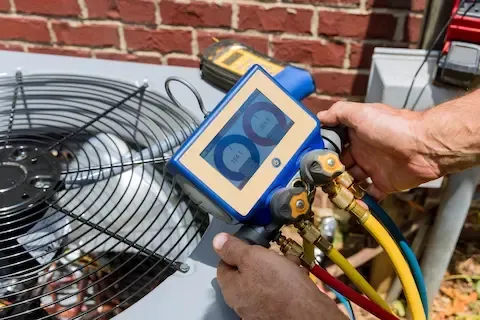
Refrigerant charge verification requires precise measurements and adjustments based on system specifications and operating conditions. Incorrect refrigerant levels reduce efficiency, increase operating costs, and can damage expensive components over time. Professional technicians use specialized gauges and testing procedures to ensure optimal refrigerant levels.
Airflow testing confirms that your system delivers designed air quantities to all rooms while maintaining proper static pressures throughout the duct system. This testing identifies restrictions, leaks, or design issues that could affect performance or comfort. Proper airflow verification ensures even temperatures throughout your home and efficient system operation.
Control system programming and calibration ensure accurate temperature control and efficient operation. Modern systems include multiple programmable parameters that require professional setup for optimal performance. This programming considers your home's characteristics, usage patterns, and local climate conditions to maximize comfort and efficiency.
Maintenance Planning and Long-Term Performance
Establishing a comprehensive maintenance plan immediately after installation protects your investment and ensures reliable performance throughout your system's lifespan. Regular maintenance prevents minor issues from becoming major problems while maintaining efficiency and extending equipment life. Most manufacturers require documented maintenance to maintain warranty coverage.
Essential maintenance tasks include regular filter changes, annual professional tune-ups, and seasonal system inspections. Filter changes should occur monthly during peak usage periods, using filters with appropriate MERV ratings for your system and indoor air quality needs. Professional maintenance includes cleaning coils, checking refrigerant levels, testing electrical connections, and verifying all safety controls.
Seasonal preparation helps ensure reliable operation during peak cooling demands. Spring startup procedures include cleaning outdoor units, checking refrigerant levels, and testing all system components before hot weather arrives. Fall shutdown procedures in Oregon's mild climate may include protective covers for outdoor units and system inspections to identify any issues that developed during the cooling season.
For homeowners dealing with unexpected system failures, understanding when to seek Emergency HVAC services can prevent minor issues from causing major damage or extended comfort disruption.
Documentation of all maintenance activities, including dates, procedures performed, and any issues identified, provides valuable information for troubleshooting future problems and maintaining warranty coverage. This documentation also helps track system performance over time and plan for eventual replacement needs.
Long-term performance monitoring includes tracking energy usage, comfort levels, and any recurring issues that might indicate developing problems. Modern smart thermostats and system monitoring devices provide detailed performance data that helps identify optimization opportunities and predict maintenance needs. This proactive approach maximizes your system's lifespan while minimizing unexpected repairs and operating costs.

