Ductless Mini Split Handbook for Woodburn OR Homes
Understanding Ductless Mini Split Systems
Ductless mini split systems represent a revolutionary approach to heating and cooling that eliminates the need for traditional ductwork. These systems consist of an outdoor compressor unit connected to one or more indoor air-handling units through refrigerant lines. Unlike central HVAC systems that distribute conditioned air through ducts, mini splits deliver heating and cooling directly to specific zones in your home.
The technology behind ductless systems relies on heat pump principles, moving thermal energy rather than generating it. During summer months, the system extracts heat from indoor air and transfers it outside. In winter, the process reverses, pulling heat from outdoor air even in cold temperatures and bringing it indoors. This heat transfer method proves significantly more energy-efficient than traditional resistance heating methods.
Modern mini split systems feature inverter technology that allows the compressor to adjust its speed based on heating or cooling demands. This variable-speed operation eliminates the energy waste associated with traditional on-off cycling, maintaining consistent temperatures while reducing utility costs. Advanced filtration systems in the indoor units also improve air quality by capturing dust, allergens, and other airborne particles.
Ideal Applications for Woodburn Homes
Woodburn's diverse housing stock creates numerous scenarios where ductless mini splits excel. Older homes built before modern ductwork standards often lack adequate HVAC distribution, making room additions or conversions challenging to heat and cool effectively. Mini splits solve this problem by providing targeted climate control without extensive renovation work.
Home additions represent one of the most common applications for ductless systems in Woodburn. Whether you're converting a garage into living space, adding a mother-in-law suite, or expanding your home's footprint, mini splits offer an economical solution for climate control. The installation process requires only a small hole through the exterior wall for refrigerant lines, preserving the structural integrity of your addition.
Detached structures like workshops, studios, and guest houses benefit tremendously from ductless technology. Running ductwork to separate buildings involves significant expense and complexity, while mini splits require only electrical and refrigerant connections. Many Woodburn homeowners use mini splits to transform previously unusable spaces into comfortable year-round areas.
Multi-level homes with uneven heating and cooling also find relief through ductless systems. Upper floors that stay too warm in summer or lower levels that remain cool in winter can receive dedicated mini split units for balanced comfort throughout the house. This zoned approach allows different family members to maintain their preferred temperatures in specific areas.
System Sizing and Configuration Options
Proper sizing determines the success of any ductless installation. Undersized systems struggle to maintain comfortable temperatures during extreme weather, while oversized units cycle frequently and fail to remove humidity effectively. Professional load calculations consider factors including square footage, ceiling height, insulation levels, window size and orientation, and local climate conditions.
Single-zone systems connect one indoor unit to one outdoor unit, providing climate control for individual rooms or small areas. These configurations work well for bedrooms, offices, or specific problem areas in your home. Capacities typically range from 9,000 to 24,000 BTUs, with 12,000 BTU units handling most standard-sized rooms effectively.
Multi-zone systems allow one outdoor unit to serve multiple indoor units throughout your home. These configurations prove more economical when heating and cooling several areas simultaneously. However, proper refrigerant line sizing and outdoor unit capacity become critical factors in multi-zone installations. Professional Ductless Mini-Split expertise ensures optimal performance across all connected zones.
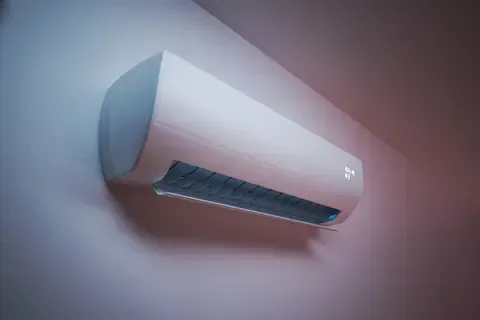
Indoor unit styles include wall-mounted, ceiling-mounted, floor-mounted, and concealed duct units. Wall-mounted units represent the most common and cost-effective option, mounting high on interior walls with minimal intrusion into living spaces. Ceiling-mounted units work well in rooms with limited wall space, while floor-mounted units suit areas where wall mounting proves impractical.
Brand Comparisons and Quality Considerations
The ductless market features numerous manufacturers with varying quality levels, features, and warranty coverage. Premium brands like Mitsubishi Electric, Daikin, and Fujitsu offer superior build quality, advanced features, and comprehensive warranty protection. These manufacturers typically provide longer equipment life, better energy efficiency, and more reliable operation.
Mid-tier brands such as LG, Samsung, and Carrier provide good performance at moderate price points. These units often feature similar capabilities to premium brands while maintaining competitive pricing. However, warranty coverage and service network availability may differ from top-tier manufacturers.
Budget brands appeal to cost-conscious homeowners but often compromise on efficiency, reliability, and longevity. While initial purchase prices appear attractive, higher operating costs and shorter equipment life can offset upfront savings. Professional guidance helps balance initial investment with long-term operating costs and reliability expectations.
Energy efficiency ratings vary significantly between brands and models. SEER ratings for cooling and HSPF ratings for heating provide standardized comparisons, with higher numbers indicating better efficiency. ENERGY STAR certification identifies models meeting strict efficiency guidelines, often qualifying for utility rebates and tax incentives.
Installation Requirements and Considerations
Ductless installation involves several critical components requiring professional expertise. Refrigerant line sets connect indoor and outdoor units, carrying pressurized refrigerant that enables heat transfer. These lines must be properly sized, insulated, and leak-tested to ensure optimal system performance. Improper installation can lead to efficiency loss, premature equipment failure, and safety hazards.
Electrical requirements vary by system size and configuration. Most residential units require 220-volt circuits with appropriate amperage capacity. Licensed electricians must install dedicated circuits and ensure proper grounding for safety and code compliance. Electrical work typically represents a significant portion of installation costs, particularly in homes lacking adequate electrical infrastructure.
Outdoor unit placement affects both performance and aesthetics. Units require adequate clearance for airflow and service access while minimizing noise impact on neighbors. Woodburn's building codes specify setback requirements and noise restrictions that professional installers understand and follow. Proper mounting and vibration isolation prevent structural damage and noise transmission.
Indoor unit placement involves multiple factors including airflow patterns, furniture arrangement, and aesthetic preferences. Units should avoid direct sunlight, heat sources, and obstructions that impede air circulation. Remote control sensors and wireless connectivity options provide flexible operation regardless of unit placement.
Cost Analysis and Financial Considerations
Ductless system costs encompass equipment, installation, and ongoing operation expenses. Single-zone systems typically range from $3,000 to $6,000 installed, while multi-zone configurations can reach $15,000 or more depending on the number of zones and equipment quality. These costs compare favorably to central system installations requiring extensive ductwork modifications.
Installation complexity significantly impacts project costs. Simple installations with short refrigerant runs and accessible mounting locations cost less than complex projects requiring long line sets, difficult access, or extensive electrical work. Woodburn's mix of housing styles creates varying installation challenges that affect pricing.
Operating costs depend on usage patterns, local utility rates, and system efficiency. High-efficiency ductless systems often reduce heating and cooling costs by 20-40% compared to traditional systems. However, actual savings vary based on the systems being replaced and how the new zones are utilized.
Financing options help manage upfront costs while capturing immediate energy savings. Many HVAC contractors offer financing programs with competitive rates and flexible terms. Utility rebates and federal tax credits can further reduce net costs, making ductless systems more affordable for Woodburn homeowners.
Zone Control and Smart Features
Zone control represents one of the primary advantages of ductless technology. Each indoor unit operates independently, allowing precise temperature control in different areas of your home. This capability eliminates the hot and cold spots common with central systems while reducing energy waste in unused areas.
Smart controls enhance zone management through programmable schedules, occupancy sensors, and smartphone connectivity. Many modern units integrate with home automation systems, allowing voice control and coordination with other smart home devices. These features optimize comfort while minimizing energy consumption through intelligent operation.
Advanced filtration systems in indoor units improve air quality while providing climate control. Multi-stage filters capture dust, pollen, and other airborne particles, with some models featuring antimicrobial coatings and deodorizing filters. Regular filter maintenance ensures optimal air quality and system performance.
Quiet operation makes ductless systems suitable for bedrooms and quiet spaces. Premium units operate at sound levels comparable to a whisper, while even budget models typically produce less noise than traditional HVAC systems. Variable-speed operation further reduces noise by eliminating the cycling sounds associated with conventional systems.
Maintenance and Longevity
Regular maintenance ensures optimal performance and extends equipment life. Basic homeowner maintenance includes cleaning or replacing filters monthly and keeping outdoor units clear of debris and vegetation. Professional maintenance typically involves refrigerant level checks, electrical connection inspection, and thorough system cleaning.
Seasonal maintenance schedules help prevent problems before they affect comfort or efficiency. Spring preparation includes cleaning outdoor coils and checking refrigerant lines for damage, while fall maintenance focuses on heating system components and indoor unit cleaning. Following manufacturer maintenance recommendations preserves warranty coverage and ensures reliable operation.
Professional service helps identify potential issues before they become costly repairs. Trained technicians can detect refrigerant leaks, electrical problems, and component wear that homeowners typically miss. Regular professional maintenance often pays for itself through improved efficiency and prevented breakdowns.
Quality ductless systems typically provide 15-20 years of reliable service with proper maintenance. This longevity compares favorably to traditional HVAC equipment while providing superior zone control and efficiency throughout the equipment's life. Investing in quality equipment and professional maintenance maximizes this lifespan potential.
Common Installation Mistakes and How to Avoid Them
Improper sizing represents the most common ductless installation mistake. Contractors without proper training may rely on rules of thumb rather than detailed load calculations, resulting in systems that fail to meet comfort expectations. Always insist on Manual J load calculations for accurate sizing recommendations.
Refrigerant line installation errors can compromise system performance and longevity. Kinked lines, improper brazing, and inadequate insulation reduce efficiency and may cause premature equipment failure. Professional installation includes pressure testing and evacuation procedures that ensure proper refrigerant system integrity.
Electrical mistakes pose safety hazards and code violations. Undersized circuits, improper grounding, and code violations can cause equipment damage and create fire risks. Licensed electrical work ensures safe and compliant installations that protect both equipment and occupants.
Poor indoor unit placement affects both comfort and aesthetics. Units mounted too high or in poor locations may fail to distribute air effectively, while obstructed units struggle to provide adequate airflow. Professional installers understand airflow patterns and optimal placement strategies for maximum comfort and efficiency.
Local Climate Considerations for Woodburn
Woodburn's moderate climate creates ideal conditions for ductless mini split operation. Summer temperatures typically remain below the extreme highs that challenge heat pump efficiency, while winter lows rarely drop to levels where backup heating becomes necessary. This climate profile allows ductless systems to operate at peak efficiency throughout most of the year.
The region's humidity levels during different seasons affect comfort and equipment selection. Summer humidity requires adequate dehumidification capability, which properly sized ductless systems provide through temperature control and air movement. Winter humidity levels typically remain comfortable with ductless heating, avoiding the dry air problems associated with forced-air systems.
Woodburn's occasional winter freezing requires attention to outdoor unit defrost capabilities. Quality heat pumps include automatic defrost cycles that prevent ice buildup without compromising heating performance. However, unit placement should avoid areas where drainage from defrost cycles could create ice hazards or property damage.
Local utility rates favor efficient heating and cooling systems, making ductless technology particularly attractive for Woodburn homeowners. The combination of moderate climate conditions and reasonable electricity costs allows ductless systems to provide comfortable, economical year-round climate control for most applications.
Professional Installation vs DIY Considerations
Professional installation ensures proper system performance, safety, and warranty coverage. Licensed HVAC technicians possess the tools, training, and experience necessary for refrigerant handling, electrical connections, and system commissioning. Attempting DIY installation typically voids manufacturer warranties and may violate local building codes.
Refrigerant handling requires EPA certification and specialized equipment not available to homeowners. Improper refrigerant procedures can damage equipment, harm the environment, and create safety hazards. Professional installers carry proper certifications and insurance to handle these materials safely and legally.
Code compliance varies by location and requires professional knowledge of local requirements. Permits, inspections, and proper installation techniques ensure your system meets all applicable codes and regulations. Professional installers handle permitting and inspection processes, ensuring compliant installations that protect your investment.
Warranty protection typically requires professional installation and regular maintenance by qualified technicians. Manufacturer warranties may become void with DIY installation, leaving homeowners responsible for expensive repairs that would otherwise be covered. Professional installation preserves full warranty coverage and provides installation warranties for added protection.
Selecting the Right HVAC Professional
Choosing qualified installation professionals significantly impacts system performance and longevity. Look for contractors with specific ductless experience, manufacturer certifications, and strong local reputations. References from recent customers and Better Business Bureau ratings provide insights into contractor reliability and service quality.
Licensing and insurance requirements vary by state and locality, but all legitimate HVAC contractors should carry appropriate licenses and liability insurance. Verify credentials through state licensing boards and request proof of insurance before allowing work to begin. These protections shield homeowners from liability and ensure qualified workmanship.
Multiple quotes help ensure fair pricing and appropriate system recommendations. However, focus on value rather than lowest price, as quality installation and equipment often justify higher costs through better performance and reliability. Compare equipment specifications, warranty coverage, and service offerings rather than just installed prices.
Service capabilities matter for long-term satisfaction with your ductless system. Choose contractors who provide ongoing maintenance services and prompt repair response. Local contractors typically offer better service accessibility than large franchise operations, while maintaining relationships with equipment suppliers for parts availability.
Future-Proofing Your Investment
Technology advances continue improving ductless system capabilities and efficiency. Selecting systems with upgrade potential and smart home integration helps protect your investment against obsolescence. Wi-Fi connectivity, smartphone controls, and home automation compatibility represent standard features that enhance long-term value.
Energy efficiency improvements and utility incentive programs may favor ductless technology in coming years. Systems installed today should meet or exceed current efficiency standards while providing expansion capability for additional zones if needed. Planning for future needs prevents costly system replacements as your requirements change.
Building code changes and environmental regulations increasingly favor efficient HVAC technologies like ductless systems. Installing quality equipment today positions your home for future compliance while providing immediate comfort and efficiency benefits. Professional guidance helps select systems that meet both current needs and anticipated future requirements.
Property value considerations make ductless systems attractive investments for Woodburn homeowners. Quality HVAC systems increase home values while providing marketing advantages during resale. Energy-efficient features appeal to environmentally conscious buyers and help differentiate your property in competitive markets. Thermostat integration with smart controls further enhances these value propositions.

