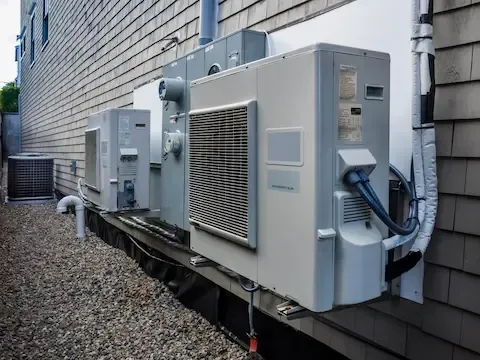
Heat Pump Buying Handbook for Woodburn OR Homeowners
Heat pumps represent one of the most efficient and cost-effective heating and cooling solutions for Woodburn, Oregon homeowners. With the region's mild Mediterranean climate characterized by wet winters and dry summers, heat pumps can operate efficiently year-round, providing both heating and cooling from a single system. This comprehensive handbook will guide you through every aspect of heat pump ownership, from initial selection and sizing to long-term maintenance and cost considerations.
Understanding Heat Pump Technology and Types
Heat pumps work by transferring heat rather than generating it, making them significantly more efficient than traditional heating systems. In cooling mode, they extract heat from your home and release it outside, functioning like a central air conditioner. During heating season, they reverse this process, extracting heat from outdoor air and moving it inside your home.
Air-source heat pumps are the most common type for residential applications in Woodburn. These systems consist of an outdoor unit that contains the compressor and condenser, connected to an indoor unit that houses the air handler and evaporator coil. The refrigerant circulates between these components, facilitating heat transfer in either direction depending on the season.
Ductless mini-split systems offer another heat pump option, particularly valuable for homes without existing ductwork or for adding climate control to specific zones. These systems feature one outdoor unit connected to multiple indoor wall-mounted or ceiling-mounted units, allowing for precise temperature control in individual rooms or areas.
Ground-source or geothermal heat pumps represent the premium option, utilizing the stable underground temperatures to achieve even higher efficiency ratings. While the initial installation cost is significantly higher due to the ground loop system, these units can provide exceptional long-term energy savings and reliability.
Sizing and Load Calculations for Woodburn Homes
Proper sizing is crucial for heat pump performance and efficiency. An oversized unit will cycle on and off frequently, reducing efficiency and comfort while increasing wear on components. An undersized system will struggle to maintain comfortable temperatures and may require backup heating more frequently than necessary.
Professional load calculations consider multiple factors specific to your Woodburn home. Square footage provides a starting point, but insulation quality, window efficiency, ceiling height, and orientation significantly impact heating and cooling requirements. Homes built before 1980 typically require more heating capacity due to lower insulation standards, while newer construction with better insulation and windows may need less capacity than square footage alone would suggest.
Woodburn's climate zone requires careful consideration of both heating and cooling loads. Winter temperatures rarely drop below 25°F, making standard air-source heat pumps viable without extensive backup heating. However, summer temperatures can reach the mid-90s, requiring adequate cooling capacity for comfort during hot spells.
The Manual J load calculation process accounts for local climate data, including average temperatures, humidity levels, and seasonal variations. This analysis ensures your heat pump can handle both the mild winter heating demands and the moderate summer cooling requirements typical of the Willamette Valley region.
Brand Selection and Equipment Quality Considerations
Leading heat pump manufacturers offer different strengths and specializations. Carrier and Trane focus on commercial-grade reliability with robust warranties and extensive dealer networks. These brands typically cost more upfront but offer superior build quality and longer equipment life.
Lennox and American Standard provide excellent mid-range options with strong efficiency ratings and reasonable pricing. These manufacturers offer comprehensive residential product lines with features tailored to homeowner needs, including Wi-Fi enabled thermostats and advanced filtration options.
Mitsubishi and Daikin excel in ductless mini-split technology, offering some of the most efficient and quiet systems available. These Japanese manufacturers have decades of heat pump experience and provide excellent performance in mild climates like Woodburn's.
SEER (Seasonal Energy Efficiency Ratio) and HSPF (Heating Seasonal Performance Factor) ratings indicate equipment efficiency. Higher ratings mean lower operating costs but typically require higher upfront investment. For Woodburn's climate, look for systems with SEER ratings of 16 or higher and HSPF ratings of 9.0 or above for optimal efficiency.
Variable-speed compressors and multi-stage systems provide better comfort control and efficiency compared to single-speed units. These advanced features allow the system to adjust output based on actual heating and cooling demands, reducing energy consumption and maintaining more consistent temperatures throughout your home.
Oregon Rebates and Incentive Programs
Oregon residents can access multiple incentive programs to offset heat pump installation costs. The Oregon Department of Energy offers tax credits for qualifying high-efficiency heat pump systems, providing credits up to $1,200 for air-source systems and higher amounts for geothermal installations.
Energy Trust of Oregon, the state's energy efficiency utility, provides cash incentives for heat pump installations that meet specific efficiency requirements. These rebates typically range from $500 to $2,000 depending on system type and efficiency ratings. The program also offers additional incentives for ductless mini-split systems in specific applications.
Pacific Power and Portland General Electric offer additional utility rebates for customers in their service territories. These programs may provide bill credits, cash rebates, or special financing options for qualifying heat pump installations. Some utilities also offer time-of-use rates that can reduce operating costs for heat pump systems.
Federal tax credits remain available for qualifying heat pump systems through the Inflation Reduction Act. These credits can cover 30% of equipment and installation costs for systems meeting efficiency requirements, with no upper limit on the credit amount through 2032.
Combining multiple incentive programs can significantly reduce the net cost of heat pump installation. Working with a qualified contractor familiar with these programs ensures you receive all available benefits and meet program requirements.
Installation Requirements and Considerations
Heat pump installation requires careful attention to refrigerant line routing, electrical requirements, and outdoor unit placement. The outdoor unit needs adequate clearance for airflow and service access, typically requiring at least three feet of clearance on all sides and five feet above the unit.
Electrical service must accommodate the heat pump's power requirements. Most residential systems require 240-volt service with appropriately sized breakers and disconnects. Older homes may need electrical upgrades to safely support heat pump operation, particularly if the existing service panel is undersized or outdated.
Refrigerant line installation requires specialized tools and certification. These lines must be properly sized, insulated, and pressure-tested to ensure system efficiency and reliability. Improper refrigerant line installation can significantly reduce system performance and void manufacturer warranties.
Ductwork modifications may be necessary for optimal heat pump performance. Heat pumps move air differently than furnaces, often requiring larger return ducts or additional return air paths. Existing ductwork should be inspected and sealed to prevent energy losses that reduce system efficiency.
Indoor air handler placement affects system performance and maintenance accessibility. Units installed in conditioned spaces like basements or utility rooms typically perform better than those in unconditioned attics or crawl spaces. Proper drainage for condensate removal is essential, particularly in Woodburn's humid winter conditions.
Operating Costs and Efficiency Analysis
Heat pump operating costs depend on local utility rates, system efficiency, and usage patterns. Woodburn residents typically see significant savings compared to electric resistance heating, propane, or oil systems. Natural gas remains cost-competitive in many situations, but heat pumps provide cooling capability that gas furnaces cannot match.
Seasonal performance varies with outdoor temperatures. Heat pumps operate most efficiently during mild weather, making them particularly well-suited to Woodburn's moderate climate. During the coldest winter days, efficiency decreases, but modern cold-climate heat pumps maintain adequate performance even when temperatures drop into the teens.
Peak demand charges from utilities can impact operating costs during extremely hot or cold periods. Some utility companies charge higher rates during peak usage times, typically late afternoons in summer and early mornings in winter. Programmable thermostats can help minimize costs by adjusting temperatures during these peak periods.
Annual maintenance costs for heat pumps typically range from $100 to $200 per year for professional service calls and filter replacements. This compares favorably to gas furnace maintenance, which often costs more due to combustion safety inspections and more frequent service requirements.
For homeowners considering Heat Pump systems, calculating total cost of ownership over 15-20 years provides the most accurate comparison with other heating and cooling options. While initial costs may be higher than some alternatives, the combination of heating and cooling capability plus high efficiency often results in lower total ownership costs.
Maintenance and Longevity Factors
Regular maintenance significantly extends heat pump life and maintains efficiency. Filter changes every one to three months represent the most important homeowner maintenance task. Dirty filters restrict airflow, forcing the system to work harder and reducing efficiency while potentially damaging components.
Annual professional maintenance should include refrigerant level checks, electrical connection inspection, and cleaning of both indoor and outdoor coils. The outdoor coil requires particular attention in Woodburn due to pollen, leaves, and other debris that can accumulate and restrict airflow.
Defrost cycles are normal during winter operation when outdoor temperatures approach freezing with high humidity. The system periodically reverses to heating mode to melt ice buildup on the outdoor coil. Understanding this process helps homeowners avoid unnecessary service calls when they observe steam or brief warm air from the outdoor unit.
Component life expectancy varies by usage and maintenance quality. Compressors typically last 12-15 years with proper maintenance, while fan motors and electrical components may need replacement every 8-12 years. Indoor air handlers often outlast outdoor components due to their protected environment.
Warranty coverage varies significantly between manufacturers and installers. Equipment warranties typically cover major components for 5-10 years, while some manufacturers offer extended warranties for registered systems. Labor warranties from installing contractors usually range from one to five years depending on the company and installation complexity.
Common Mistakes and Misconceptions
Many homeowners mistakenly believe heat pumps cannot provide adequate heating in Oregon winters. While this was true for older heat pump technology, modern systems work effectively in temperatures well below Woodburn's typical winter lows. Cold-climate heat pumps can provide meaningful heating capacity even when outdoor temperatures drop into the single digits.
Oversizing represents one of the most common installation mistakes. Contractors sometimes install larger systems thinking bigger is better, but oversized heat pumps cycle on and off frequently, reducing efficiency and comfort while increasing wear on components. Proper load calculations prevent this expensive mistake.
Neglecting ductwork evaluation during heat pump installation can compromise system performance. Heat pumps require adequate airflow to operate efficiently, and existing ductwork designed for gas furnaces may not provide optimal air distribution for heat pump operation. Duct sealing and sizing modifications often improve overall system performance.
Some homeowners expect immediate dramatic reductions in energy bills after heat pump installation. While heat pumps typically provide significant savings compared to electric resistance heating, savings compared to natural gas systems may be more modest. Realistic expectations based on local utility rates and current heating costs prevent disappointment.
Emergency heat settings on thermostats are frequently misunderstood. This setting bypasses the heat pump and operates only electric resistance backup heating, resulting in much higher operating costs. Emergency heat should only be used when the heat pump malfunctions, not during normal cold weather operation.
Local Climate Advantages for Woodburn Homeowners
Woodburn's Mediterranean climate provides ideal conditions for heat pump operation. Winter temperatures rarely drop below 25°F, allowing standard air-source heat pumps to operate efficiently without extensive backup heating systems. The mild winter conditions mean heat pumps can provide most heating needs directly, minimizing reliance on less efficient auxiliary heating.
Summer cooling demands in the Willamette Valley are moderate compared to regions with extreme heat. High temperatures typically reach the 80s and low 90s, well within the optimal operating range for heat pump cooling. The relatively low humidity during summer months also enhances cooling efficiency and comfort.
Shoulder seasons in spring and fall provide optimal heat pump operating conditions. During these periods, when outdoor temperatures range from 45°F to 75°F, heat pumps operate at peak efficiency while providing comfortable indoor conditions with minimal energy consumption.
The region's stable electrical grid and competitive utility rates support cost-effective heat pump operation. Oregon's hydroelectric power generation provides relatively clean electricity, making heat pumps an environmentally responsible heating and cooling choice for environmentally conscious homeowners.
Local building codes and practices in Marion County accommodate heat pump installations without unusual restrictions. Most residential electrical services can support heat pump requirements, and local contractors have extensive experience with heat pump installation and service in the regional climate.
Professional Consultation and Installation Services
Selecting a qualified installation contractor significantly impacts heat pump performance and longevity. Look for contractors with specific heat pump experience, proper licensing, and manufacturer certifications. NATE (North American Technician Excellence) certification indicates technicians have demonstrated competency in heat pump installation and service procedures.
Multiple quotes allow comparison of equipment options, installation approaches, and pricing. However, the lowest bid may not provide the best value if it includes inferior equipment or shortcuts installation procedures. Focus on contractors who perform detailed load calculations and explain their equipment recommendations clearly.
Installation warranties and service support vary significantly between contractors. Companies that offer comprehensive labor warranties and maintain adequate service staff provide better long-term value than low-cost installers who may not be available for warranty service or emergency repairs.
For residents researching heating system options, understanding the relationship between Furnace Repair costs and heat pump benefits helps evaluate replacement timing. Heat pumps eliminate many maintenance issues associated with gas furnaces while providing year-round comfort from a single system.
Post-installation support includes system commissioning, thermostat programming, and homeowner education. Quality contractors ensure systems operate correctly before completing installation and provide clear instructions for optimal operation and basic maintenance procedures.
Long-term Investment Perspective
Heat pumps represent a long-term investment in home comfort and energy efficiency. While initial costs may exceed some heating-only alternatives, the dual heating and cooling capability provides year-round value that single-purpose systems cannot match. Over a typical 15-year equipment life, the combined heating and cooling costs often favor heat pump systems.
Property value considerations support heat pump installation as home improvement investments. Modern, efficient HVAC systems appeal to potential buyers and may command higher resale prices. Energy-efficient features like high-SEER heat pumps also support green building certifications that some buyers actively seek.
Future energy costs and utility rate structures may increasingly favor electric heat pumps over fossil fuel systems. Oregon's renewable energy standards and carbon reduction goals suggest continued emphasis on efficient electric heating and cooling technologies. Heat pumps position homeowners advantageously for potential future carbon pricing or fossil fuel restrictions.
Technology improvements continue advancing heat pump efficiency and capabilities. Variable-speed compressors, advanced refrigerants, and smart controls provide better performance and lower operating costs than older systems. Investing in current technology ensures access to these benefits while avoiding the higher costs of emergency replacement when older systems fail.
Financing options through manufacturers, contractors, and utilities can spread installation costs over several years while providing immediate energy savings. Many programs offer attractive terms that make heat pump installation cash-flow positive from day one, eliminating the barrier of high upfront costs.
Once you've settled on the right system for your home, our heat pump installation guide for Woodburn homes walks through what to expect on install day, from sizing and placement to timeline and cost.

