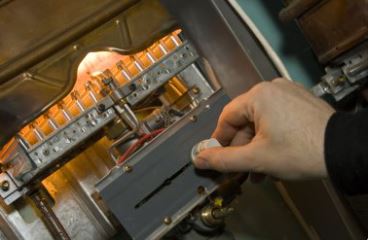
How Long Does a Furnace Really Last in Woodburn OR?
Most furnaces in Woodburn, Oregon last between 15 and 20 years with regular maintenance. Gas furnaces tend to reach the higher end of that range, while older or neglected systems may fail closer to 12 to 15 years. Woodburn's wet winters, fluctuating temperatures, and extended heating seasons place consistent demand on home heating systems, which can accelerate wear. If your furnace is over 15 years old and needing frequent repairs, it is likely approaching the end of its useful life. Knowing the signs early helps you plan replacement before a breakdown leaves you without heat.
What Is the Average Lifespan of a Furnace in Woodburn OR?
The national average for furnace lifespan is 15 to 20 years, and that estimate holds reasonably well for homes in the Woodburn area. Gas furnaces typically outlast electric models when properly maintained, sometimes reaching 20 years or more. Oil furnaces tend to fall in the 15 to 25 year range depending on fuel quality and filter discipline. However, Woodburn's climate is a real factor. The Willamette Valley sees significant moisture, cool temperatures from October through April, and occasional hard freezes. Furnaces here run long heating cycles that accumulate operating hours faster than systems in milder climates. A furnace that runs heavily from fall through spring will wear components like the heat exchanger, blower motor, and igniter more quickly than one in a shorter season climate.
What Shortens Furnace Lifespan in the Willamette Valley?
Several conditions specific to the Woodburn region contribute to premature furnace failure:
- High humidity and moisture infiltration: The Pacific Northwest's damp air can cause corrosion inside the heat exchanger and around the flue system, particularly in older furnaces without proper ventilation sealing.
- Deferred filter maintenance: Dirty filters force the blower motor to work harder, raising operating temperatures and shortening component life. In a home that runs heat from October to April, filters should be checked monthly.
- Oversized or undersized equipment: Furnaces that were incorrectly sized at installation short-cycle or overwork themselves. This is a common issue in older Woodburn homes that have undergone additions or insulation changes.
- Neglected annual tune-ups: Skipping yearly maintenance allows small problems like a cracked heat exchanger, worn igniter, or fraying wiring to go undetected until they cause a failure.
- Duct leakage: Many older homes in and around Woodburn have duct systems that lose conditioned air into crawl spaces or attics. This forces the furnace to run longer cycles to meet thermostat demand.
If your system is dealing with two or more of these factors, it may age faster than average. Scheduling a Furnace Repair inspection early can catch these issues before they become costly failures.
What Are the Signs a Furnace Is Nearing the End of Its Life?
Age alone does not tell the whole story. A well-maintained 18-year-old furnace may outperform a neglected 12-year-old unit. Watch for these warning signs regardless of the age on your system:
- Rising energy bills: As efficiency drops, the furnace burns more fuel to produce the same heat output. If your gas bills are climbing without a change in usage habits, the system is losing efficiency.
- Uneven heating: Rooms that used to stay comfortable now feel cold or drafty. This can indicate a failing blower motor, duct problems, or a heat exchanger that is no longer performing correctly.
- Frequent repairs: If you have called for service two or more times in a single heating season, the cost of ongoing repairs is likely outpacing the value of keeping the unit running.
- Yellow or flickering burner flame: A healthy gas furnace flame should be blue with a small yellow tip. A predominantly yellow or flickering flame can indicate combustion problems that require immediate attention.
- Strange sounds: Banging, rattling, squealing, or persistent clicking are not normal operating sounds. They often point to loose components, a failing motor, or ignition problems.
- Carbon monoxide detector alerts: A cracked heat exchanger can allow combustion gases to enter living spaces. If your CO detector activates, evacuate and call for service immediately.
Is It Better to Repair or Replace an Aging Furnace?
This is one of the most common questions homeowners in Woodburn face as their heating system ages. A useful benchmark is the 50 percent rule: if the cost of a repair exceeds 50 percent of the cost of a new unit, replacement is usually the smarter financial decision. For a furnace that is already 15 years or older, even a mid-range repair may not be worth investing in. A new high-efficiency gas furnace installed in a Woodburn home can reduce heating costs significantly. Modern units rated at 96 to 98 percent AFUE waste very little fuel, which matters when your furnace is running from October through April. The payback period for replacement is often faster than homeowners expect, especially when replacing a unit that is operating at 70 to 80 percent efficiency. You should also consider whether your current system uses older refrigerants, discontinued parts, or technology that is difficult to service. When replacement parts become hard to source, repair timelines stretch and costs increase. For guidance on planning around winter heating risks, the Furnace Repair resource covers backup heating strategies worth having in place regardless of your furnace's age.
How Can You Extend Your Furnace's Lifespan in Woodburn?
Routine maintenance is the most reliable way to get full life from your system. Here is what that looks like in practice:
- Replace or inspect filters every 30 to 60 days during the heating season. Homes with pets or dust-prone environments may need monthly changes.
- Schedule a professional tune-up once per year, ideally in late summer or early fall before the Woodburn heating season begins.
- Keep the area around your furnace clear of stored items, moisture sources, and anything that restricts airflow to the return vents.
- Seal duct leaks and improve insulation in crawl spaces or attics where ducts run. This reduces the workload on the system significantly.
- Test your thermostat, carbon monoxide detectors, and smoke alarms at the start of each heating season.
- Do not ignore small problems. A rattling panel, a slow ignition, or a burner that cycles off and on unusually is worth a service call before it escalates.
Woodburn homeowners who follow a consistent maintenance schedule routinely get 18 to 20 years from their systems. Those who defer maintenance often find themselves replacing units at 12 to 14 years, well before the equipment has returned its full value.
When Should You Start Budgeting for Furnace Replacement?
The answer is earlier than most people expect. If your furnace is between 12 and 15 years old, it is a good time to get a professional assessment and start setting aside funds for eventual replacement. You do not need to replace a functioning system, but having a plan means you are not making a rushed financial decision in the middle of a January cold snap in Woodburn when HVAC contractors are fully booked. Getting a replacement quote now also gives you time to research high-efficiency models, compare financing options, and schedule installation during the off-season when labor is more available. Proactive planning almost always leads to better equipment choices and lower total costs than emergency replacement.

