Indoor Air Handbook for Woodburn Oregon Homeowners
Woodburn homeowners face a unique combination of indoor air quality challenges that require year-round attention and strategic planning. Located in the heart of Oregon's Willamette Valley, your home contends with seasonal wildfire smoke, spring and summer pollen loads, and the persistent moisture issues that accompany Pacific Northwest winters. Understanding how to maintain healthy indoor air quality throughout these varying conditions protects your family's health while ensuring your HVAC system operates efficiently.
The valley's geography creates a bowl effect that can trap pollutants during certain weather patterns, making indoor air management even more critical. Your home's indoor environment becomes your primary defense against these external air quality fluctuations, but only when properly managed through filtration, ventilation, and humidity control strategies.
Understanding Woodburn's Air Quality Challenges
Woodburn's location presents distinct seasonal air quality patterns that directly impact your home's indoor environment. During summer months, wildfire smoke from regional fires can persist for weeks, creating hazardous outdoor air conditions that require sealed indoor environments with enhanced filtration. The smoke particles are particularly problematic because they're small enough to penetrate standard home filtration systems and can linger indoors for extended periods.
Spring brings significant pollen loads from the surrounding agricultural areas and native vegetation. Grass pollens peak in late spring, while tree pollens dominate earlier months. These allergens easily enter homes through normal ventilation and on clothing, creating ongoing indoor air quality issues for sensitive individuals.
Winter moisture presents the third major challenge. Oregon's wet winters create perfect conditions for mold growth, dust mite proliferation, and indoor humidity problems. Poor ventilation during cold months compounds these issues as homes remain sealed against outdoor temperatures.
Your ductwork system plays a crucial role in managing these challenges by distributing filtered air throughout your home and maintaining proper airflow patterns that prevent stagnant conditions where pollutants can accumulate.
Essential Filtration Systems for Valley Homes
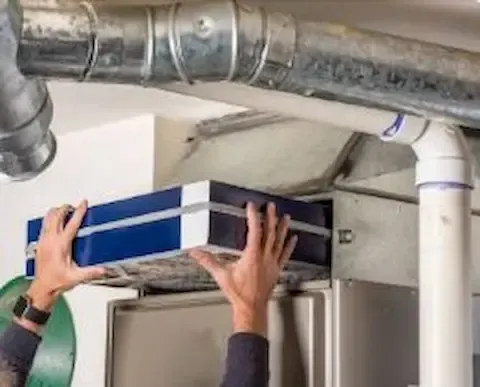
Effective filtration forms the foundation of indoor air quality management in Woodburn homes. Your HVAC system's filter represents the first line of defense, but standard fiberglass filters provide minimal protection against the fine particles common in wildfire smoke and many allergens.
Upgrading to MERV 11 or MERV 13 pleated filters significantly improves particle capture rates without restricting airflow in most residential systems. These filters effectively capture pollen, dust, pet dander, and larger smoke particles. During severe wildfire events, consider upgrading temporarily to MERV 16 filters, though these require more frequent replacement and may impact system efficiency.
Whole-house air purification systems provide the most comprehensive filtration approach. These systems integrate with your existing HVAC system to provide multi-stage filtration including HEPA-level particle removal and activated carbon for odor and chemical absorption. UV-C sterilization components can address biological contaminants like mold spores and bacteria.
Portable air purifiers serve as targeted solutions for specific rooms or situations. Position units in bedrooms during wildfire events or in basements where humidity creates mold risks. Look for units with true HEPA filters and activated carbon stages, sized appropriately for your room dimensions.
Filter maintenance becomes critical in Woodburn's challenging environment. Check filters monthly during fire season and replace when visibly dirty or according to manufacturer recommendations. Dirty filters reduce system efficiency and can actually worsen indoor air quality by restricting airflow and allowing pollutants to bypass the filter media.
Ventilation Strategies for Seasonal Conditions
Proper ventilation management requires adapting your approach based on outdoor conditions and seasonal air quality patterns. During normal conditions, natural ventilation through windows and doors helps maintain fresh indoor air and prevents stagnation. However, Woodburn's air quality challenges require more sophisticated ventilation strategies.
Mechanical ventilation systems provide controlled air exchange regardless of outdoor conditions. Heat recovery ventilators (HRVs) and energy recovery ventilators (ERVs) bring in fresh outdoor air while exhausting stale indoor air, with heat exchange components that maintain energy efficiency. ERVs also manage humidity levels, making them particularly valuable during Oregon's wet winters.
During wildfire events, completely seal your home and rely on internal air circulation with enhanced filtration. Close all windows, doors, and any other openings to the outside. Turn off exhaust fans that pull outdoor air inside. Use your HVAC system's fan setting to maintain air circulation while filtering out smoke particles.
Bathroom and kitchen exhaust fans require special attention during poor outdoor air quality periods. While these fans normally improve indoor air by removing moisture and cooking odors, they can pull contaminated outdoor air inside during wildfire events. Consider upgrading to fans with backdraft dampers that prevent reverse airflow when not in operation.
Smart ventilation controls can automatically adjust ventilation rates based on outdoor air quality readings. These systems monitor outdoor conditions and indoor air quality parameters to optimize fresh air intake while minimizing exposure to outdoor pollutants.
Humidity Control Throughout the Year
Managing indoor humidity levels requires different approaches for Woodburn's wet winters and dry summers. Optimal indoor humidity ranges between 30-50%, but achieving this balance requires active management given the region's extreme seasonal variations.
Winter humidity control focuses on preventing excessive moisture that promotes mold growth and dust mite proliferation. Oregon's wet winters can drive indoor humidity levels above 60%, creating ideal conditions for these biological contaminants. Whole-house dehumidifiers integrate with your HVAC system to maintain consistent humidity levels throughout your home.
Proper exhaust ventilation becomes critical during winter months. Kitchen range hoods and bathroom fans must vent directly outside, not into attics or crawl spaces where moisture can cause structural problems. Ensure these fans operate during and after activities that generate moisture.
Summer humidity challenges typically involve maintaining adequate moisture levels during dry periods. Low humidity can cause respiratory irritation and increase susceptibility to airborne viruses. Whole-house humidifiers add moisture to your home's air supply, but require careful monitoring to prevent over-humidification.
Monitor humidity levels using digital hygrometers placed throughout your home. Basements and crawl spaces often show different humidity levels than main living areas, requiring targeted management approaches.
Air Quality Monitoring and Assessment
Effective indoor air quality management requires ongoing monitoring to identify problems before they impact health or comfort. Modern air quality monitors can track multiple parameters including particulate matter, volatile organic compounds, carbon dioxide levels, temperature, and humidity.
Particulate matter monitoring helps track the effectiveness of your filtration systems. PM2.5 sensors detect fine particles from wildfire smoke, while PM10 sensors monitor larger particles like pollen and dust. During fire season, indoor PM2.5 levels should remain below 12 μg/m³ for sensitive individuals and below 35 μg/m³ for healthy adults.
Carbon dioxide monitoring indicates ventilation effectiveness. CO2 levels above 1000 ppm suggest inadequate fresh air exchange, while levels above 1400 ppm indicate poor ventilation that can impact cognitive function and comfort.
Volatile organic compound (VOC) monitoring detects chemical pollutants from household products, building materials, and outdoor sources. Elevated VOC levels may indicate the need for source control measures or enhanced air purification.
Professional indoor air quality assessments provide comprehensive analysis of your home's air quality status. These assessments can identify hidden mold problems, ductwork issues, or other air quality concerns not detected by consumer monitoring devices.
Maintenance and System Optimization
Regular maintenance keeps your air quality systems operating at peak efficiency throughout Woodburn's challenging conditions. Create a maintenance schedule that addresses seasonal requirements and the unique demands of valley air quality.
HVAC system maintenance should occur twice yearly, with pre-summer and pre-winter service calls. These visits should include filter replacement, ductwork inspection, and system performance verification. Pay particular attention to ductwork sealing, as leaky ducts can introduce unfiltered outdoor air and reduce system efficiency.
Air purification systems require component-specific maintenance schedules. HEPA filters typically last 6-12 months in normal conditions but may require more frequent replacement during heavy fire seasons. Activated carbon filters need replacement every 3-6 months depending on usage and outdoor air quality conditions.
Humidity control equipment maintenance includes cleaning drainage systems, replacing filters, and checking calibration on humidity sensors. Dehumidifiers require regular coil cleaning and drain pan maintenance to prevent mold growth within the unit.
Document your maintenance activities and system performance data to identify patterns and optimize replacement schedules. Keep records of outdoor air quality events and how they impact your indoor environment to refine your air quality management strategies.
Technology Integration and Smart Controls
Modern air quality management benefits significantly from smart technology integration that automates responses to changing conditions. Smart thermostats with air quality sensors can adjust HVAC operation based on indoor and outdoor conditions, optimizing energy use while maintaining healthy indoor air.
Automated filter change indicators prevent the performance degradation that occurs with dirty filters. These systems monitor filter condition and airflow restriction to alert you when replacement is needed, rather than relying on generic time-based schedules that may not match actual usage conditions.
Smart air purifiers can adjust operation levels based on real-time air quality readings, increasing filtration during pollution events while reducing energy consumption during clean air periods. Many units integrate with weather services to anticipate air quality changes and adjust operation proactively.
Home automation integration allows coordinated responses to air quality events. During wildfire alerts, your system can automatically close smart vents, seal dampers, switch to recirculation mode, and activate enhanced filtration without manual intervention.
Mobile apps provide remote monitoring and control capabilities, allowing you to monitor your home's air quality while away and make adjustments as needed. This capability proves particularly valuable during rapidly changing fire conditions or when traveling.
Health Considerations and Vulnerable Populations
Certain family members may be more susceptible to indoor air quality problems, requiring enhanced protection strategies. Children, elderly individuals, and those with respiratory conditions like asthma or COPD need particular attention during poor air quality events.
Create clean air refuges within your home for use during severe air quality episodes. These rooms should have enhanced filtration, minimal outdoor air infiltration, and comfortable seating for extended occupancy. Bedrooms often work well for this purpose since people spend significant time sleeping.
Medication and medical device considerations become important during extended poor air quality periods. Ensure adequate supplies of respiratory medications and understand how air quality impacts medical device operation. Some oxygen concentrators and CPAP machines may require additional filtration during smoke events.
Activity modification may be necessary during severe air quality events. Indoor exercise equipment allows continued physical activity when outdoor air makes exercise unsafe. Air purifiers in exercise areas should be sized for the increased air circulation that occurs during physical activity.
Communication with healthcare providers helps establish personal air quality thresholds and response protocols. Some individuals may need to evacuate to cleaner air locations during extended severe air quality events.
Seasonal Preparation and Emergency Protocols
Developing seasonal preparation routines helps ensure your air quality systems are ready for Woodburn's predictable challenges. Spring preparation focuses on pollen management, summer preparation addresses wildfire readiness, and fall preparation tackles winter moisture control.
Pre-fire season preparation should include filter inventory checks, air purifier functionality verification, and identification of home sealing materials. Consider your HVAC Maintenance Plans to ensure your system is optimized before fire season arrives. Test your emergency air quality protocols with family members so everyone understands their roles during smoke events.
Winter preparation emphasizes moisture control equipment servicing and ensuring adequate ventilation capacity for sealed-home conditions. Check dehumidifier operation, clean exhaust fan components, and verify that drainage systems function properly.
Emergency supply kits should include extra air filters, portable air purifier replacement parts, and basic air quality monitoring equipment. Store these supplies in accessible locations that family members can reach even during poor air quality events.
Communication plans help coordinate family responses to air quality emergencies. Establish protocols for school and work decisions during poor air quality days, and ensure all family members understand when to implement emergency air quality measures.
Regular protocol reviews and updates keep your air quality emergency plans current with changing family needs, home modifications, and new equipment capabilities. Annual reviews allow you to incorporate lessons learned from previous air quality events and update contact information for emergency services.

