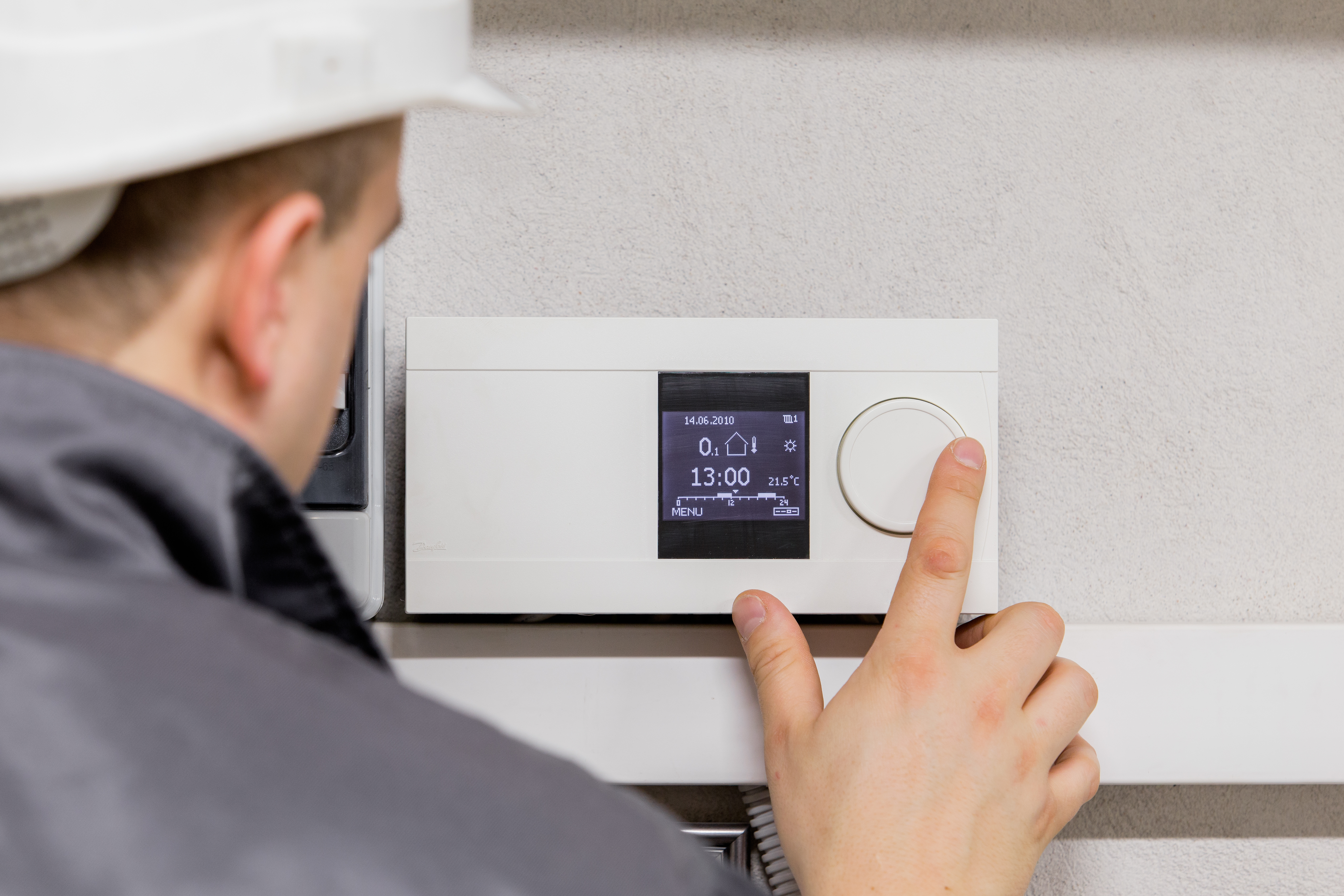
Smart Thermostat Buying Handbook for Woodburn Oregon
Smart thermostats represent one of the most accessible entry points into home automation while delivering measurable energy savings. These devices learn your schedule, adjust temperatures automatically, and provide remote control through smartphone apps. For Woodburn homeowners dealing with Oregon's varied climate, the right smart thermostat can reduce heating and cooling costs by 10-15% annually while improving comfort levels throughout your home.
Understanding Smart Thermostat Technology
Smart thermostats function as the brain of your HVAC system, using sensors, algorithms, and connectivity to optimize temperature control. Unlike programmable thermostats that follow preset schedules, smart models adapt to your actual behavior patterns and external conditions.
The core technology includes motion sensors that detect when you're home, geofencing capabilities that know when you're approaching, and machine learning algorithms that understand your preferences. Advanced models integrate weather forecasting to pre-cool or pre-heat your home before temperature extremes hit Woodburn.
Connectivity options vary between models. Basic smart thermostats require Wi-Fi for remote access, while premium versions support multiple protocols including Zigbee, Z-Wave, and Thread for integration with broader smart home ecosystems. Professional thermostat installation services ensure proper wiring and network configuration for optimal performance.
Energy-saving features include adaptive recovery, which learns how long your system takes to reach desired temperatures, and smart scheduling that adjusts based on occupancy patterns. Some models offer room sensors for multi-zone temperature management, particularly beneficial in larger Woodburn homes with varying sun exposure.
Major Brand Comparison and Features
Nest thermostats from Google lead the market with intuitive learning capabilities and sleek design. The Nest Learning Thermostat automatically creates schedules based on your manual adjustments, while the Nest Thermostat offers basic smart features at a lower price point. Both integrate seamlessly with Google Assistant and provide detailed energy reports.
Ecobee thermostats excel in multi-room comfort management through their SmartSensor system. The Ecobee SmartThermostat includes Alexa built-in, eliminating the need for separate smart speakers in central locations. Their sensors detect occupancy and temperature variations throughout your home, adjusting HVAC operation to maintain comfort where you actually spend time.
Honeywell offers multiple smart thermostat lines targeting different needs and budgets. The T9 series includes room sensors like Ecobee, while the T6 Pro provides professional-grade features for complex HVAC systems. Honeywell models often work with older heating and cooling systems that other brands cannot support.
Carrier and Trane manufacture smart thermostats designed specifically for their HVAC equipment, offering enhanced integration and system optimization. These models often include features unavailable with third-party thermostats, such as variable-speed fan control and advanced diagnostics.
Emerson Sensi thermostats focus on easy installation and compatibility with existing wiring. Their straightforward app interface appeals to homeowners seeking smart features without complexity. The Sensi Touch adds a color touchscreen while maintaining the brand's installation simplicity.
Compatibility Assessment for Your HVAC System
Smart thermostat compatibility depends on your existing HVAC system type and wiring configuration. Most modern systems with 24-volt control wiring support smart thermostats, but older or specialized systems may require additional equipment or professional evaluation.
Single-stage heating and cooling systems offer the broadest compatibility across all smart thermostat brands. These systems simply turn on and off to maintain temperature, making them straightforward for smart thermostat control. Multi-stage systems, common in newer Woodburn homes, require thermostats that can manage multiple heating or cooling levels.
Heat pump systems, popular in Oregon's moderate climate, need thermostats specifically designed for heat pump operation. These models understand heat pump auxiliary heat staging and can prevent unnecessary activation of expensive backup electric heating elements.
High-voltage systems, including baseboard heaters and radiant floor heating, require special line-voltage smart thermostats. Standard smart thermostats designed for low-voltage systems cannot control these applications safely. Always verify voltage compatibility before purchasing.
Complex systems with multiple zones, humidifiers, or ventilation equipment need thermostats with sufficient terminal connections and compatible control protocols. Professional assessment ensures proper matching between your system's requirements and thermostat capabilities.
Installation Considerations and Requirements
Smart thermostat installation varies in complexity based on your existing wiring and desired features. Simple replacements of programmable thermostats often require only basic wire connections and network setup. However, many installations benefit from professional service to ensure proper configuration and avoid system damage.
C-wire availability represents the most common installation challenge. Smart thermostats need continuous power to maintain Wi-Fi connectivity and run their displays. Homes without C-wires may need additional wiring, power adapter installation, or transformer upgrades. Some smart thermostats include power-stealing technology that draws power from other wires, though this doesn't work with all HVAC systems.
Location considerations affect smart thermostat performance significantly. Avoid placement near heat sources, direct sunlight, drafts, or frequently used doorways. The thermostat should be positioned approximately five feet from the floor in an area that represents average home temperature conditions.
Network setup requires strong Wi-Fi signal at the thermostat location. Weak signals cause connectivity issues, preventing remote access and smart features from functioning properly. Some installations may need Wi-Fi range extension or mesh network improvements.
Professional installation ensures proper system integration, safety compliance, and warranty protection. Experienced technicians can identify compatibility issues, recommend appropriate models, and configure advanced features that maximize energy savings and comfort.
Energy Savings and Cost Analysis
Smart thermostats generate savings through multiple mechanisms that optimize HVAC operation. Automatic scheduling eliminates energy waste when homes are unoccupied, while adaptive learning prevents over-conditioning based on actual comfort needs rather than arbitrary temperature settings.
Typical savings range from 10-15% on heating and cooling costs, though actual results depend on previous thermostat usage patterns and home characteristics. Homes with poor insulation or air sealing may see smaller percentage savings, while well-sealed homes with previously poor temperature management can achieve 20%+ reductions.
Woodburn's Pacific Northwest climate creates ideal conditions for smart thermostat savings. The moderate temperatures allow for wider comfort ranges and longer periods when HVAC systems can remain off. Smart thermostats excel at taking advantage of these conditions through features like auto-switching between heating and cooling modes.
Payback periods typically range from 1-3 years based on energy savings alone. Homes with higher energy usage see faster payback, while efficient homes may take longer to recoup the investment through utility bill reductions. Additional benefits like improved comfort and convenience add value beyond simple energy savings calculations.
Utility rebate programs can significantly reduce upfront costs. Pacific Power and other Oregon utilities periodically offer rebates for qualified smart thermostat purchases and installations. These programs can reduce net costs by $50-100, improving payback periods substantially.
Advanced Features and Smart Home Integration
Modern smart thermostats offer sophisticated features that extend beyond basic temperature control. Geofencing uses smartphone location to automatically adjust settings when you leave or approach home, eliminating manual programming while ensuring comfort upon arrival.
Voice control integration with Alexa, Google Assistant, or Siri provides hands-free temperature adjustment and system status inquiries. This feature proves particularly valuable when your hands are full or you're in another room entirely.
Energy reporting features provide detailed insights into HVAC system operation and energy consumption patterns. These reports help identify optimization opportunities, track seasonal usage trends, and quantify savings from smart thermostat features.
Room sensor integration allows multi-zone comfort management even with single-zone HVAC systems. Sensors detect temperature and occupancy in different rooms, adjusting system operation to maintain comfort where you actually spend time rather than just at the thermostat location.
Smart home platform integration enables coordination with other connected devices. Your thermostat can work with smart blinds to manage solar heat gain, coordinate with security systems to adjust temperatures when you're away, or integrate with ductwork modifications for optimized airflow distribution.
Weather-based adjustments use local forecast data to pre-condition your home before extreme temperatures arrive. This feature prevents temperature overshoot and reduces energy consumption during peak demand periods when utility rates are highest.
Installation Timing and Seasonal Considerations
Optimal smart thermostat installation timing in Woodburn occurs during mild weather periods when HVAC system demands are lowest. Spring and fall installations allow for proper testing and adjustment before extreme summer or winter conditions arrive.
Pre-season installation enables the thermostat's learning algorithms to adapt to your home's thermal characteristics before peak energy usage periods. This learning period optimizes performance when energy savings matter most during hot summers and cold winters.
HVAC maintenance scheduling should coordinate with smart thermostat installation. Annual system tune-ups provide opportunities for thermostat upgrades while ensuring compatible operation between the new control system and existing equipment.
Vacation periods offer ideal installation windows since temperature disruptions affect comfort less when you're away from home. Installation during absences also allows time for any troubleshooting or adjustments without impacting daily routines.
Utility rate structure timing can influence installation decisions. Time-of-use rates or seasonal pricing programs make smart thermostat energy management features more valuable during specific periods, potentially affecting optimal installation timing.
Common Mistakes and Selection Pitfalls
Compatibility assumptions represent the most frequent smart thermostat purchase mistake. Buyers often assume their HVAC system will work with any smart thermostat without verifying specific requirements. Heat pump systems, high-voltage applications, and complex multi-zone setups require particular thermostat capabilities that not all models provide.
Feature overload leads to poor user experiences and reduced energy savings. Purchasing thermostats with capabilities you don't need or won't use wastes money while potentially complicating operation. Focus on features that address your specific comfort and energy management needs.
DIY installation attempts on complex systems risk equipment damage and safety hazards. While simple replacements may succeed, systems requiring C-wire installation, transformer upgrades, or compatibility modifications need professional service. Installation errors can damage HVAC equipment, void warranties, or create safety issues.
Network infrastructure oversight causes ongoing frustration with smart thermostat operation. Weak Wi-Fi signals, outdated routers, or network security settings can prevent proper connectivity and smart feature operation. Assess network capability before installation to avoid post-purchase disappointments.
Unrealistic savings expectations lead to buyer dissatisfaction when actual results differ from marketing claims. Energy savings depend heavily on existing usage patterns, home efficiency, and local climate conditions. Realistic expectations based on your specific situation prevent disappointment and help justify the investment appropriately.
Professional vs DIY Installation Decision Framework
Installation complexity assessment helps determine whether professional service provides value over DIY approaches. Simple thermostat replacements with existing compatible wiring may succeed as DIY projects, while system modifications or compatibility questions benefit from professional expertise.
Risk tolerance evaluation considers potential consequences of installation errors. HVAC system damage, electrical safety hazards, or warranty voidance may outweigh DIY cost savings. Professional installation provides insurance coverage, warranty protection, and expert troubleshooting if issues arise.
Time investment comparison includes not just installation time but research, troubleshooting, and potential reinstallation if problems occur. Professional service consolidates these activities while providing expertise that prevents common mistakes and ensures optimal performance.
Tool and skill requirements extend beyond basic wiring to include electrical testing, HVAC system knowledge, and network configuration. Missing tools or skills can lead to incomplete installations that fail to deliver expected benefits or create ongoing problems.
Warranty considerations often favor professional installation, particularly for complex systems or premium thermostat models. Professional installation may extend warranty coverage, provide service guarantees, or ensure manufacturer warranty validity.
Long-term Maintenance and Optimization
Smart thermostat maintenance extends beyond traditional thermostat care to include software updates, sensor calibration, and network connectivity monitoring. Regular attention to these areas maintains optimal performance and energy savings over time.
Software updates provide security patches, feature enhancements, and performance improvements. Enable automatic updates when available, or check manufacturer websites periodically for manual update availability. Updated software ensures continued compatibility with smart home platforms and mobile apps.
Filter replacement reminders help maintain HVAC system efficiency and indoor air quality. Smart thermostats can track runtime hours and remind you when filter changes are due, preventing system strain and maintaining energy efficiency.
Performance monitoring through energy reports and system alerts helps identify developing issues before they become major problems. Unusual energy consumption patterns or system alerts may indicate HVAC maintenance needs or thermostat calibration requirements.
Seasonal optimization involves reviewing and adjusting smart thermostat settings for changing weather patterns and lifestyle schedules. Spring and fall provide opportunities to update temperature preferences, adjust scheduling, and verify sensor operation after extreme weather periods.
Smart thermostats transform home comfort management while delivering measurable energy savings for Woodburn homeowners. Success depends on proper model selection, professional installation when needed, and ongoing optimization to match your lifestyle and home characteristics.

