Why Your Woodburn Furnace Stops Working in January
January in Woodburn brings some of the year's most challenging weather conditions for home heating systems. When temperatures drop to freezing or below, your furnace faces its greatest test of reliability and performance. Many homeowners discover their heating problems precisely when they need their system most, often during the coldest stretches of the month when outdoor temperatures hover in the teens or twenties.
Primary Causes of January Furnace Failures
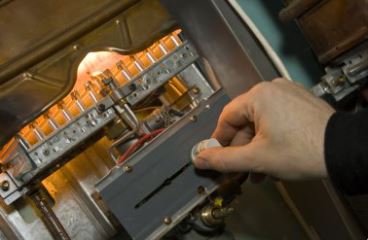
Cold weather amplifies existing weaknesses in heating systems, transforming minor issues into complete breakdowns. The most common culprit is a failing igniter, which struggles to generate sufficient heat when ambient temperatures drop significantly. Gas furnaces rely on hot surface igniters or pilot lights to initiate combustion, and these components become less efficient in extreme cold.
Clogged air filters represent another major factor in January failures. During winter months, furnaces run continuously, pulling air through filters that may not have been changed since autumn. Restricted airflow forces the system to work harder, leading to overheating and automatic shutdowns. This problem compounds in Woodburn's January weather when systems operate at maximum capacity for extended periods.
Thermostat malfunctions also peak during the coldest month. Temperature sensors can drift out of calibration, causing erratic cycling or complete system shutdowns. Battery-powered thermostats may fail entirely when cold temperatures drain power reserves faster than normal.
How January Weather Patterns Affect Furnace Operation
Woodburn experiences unique weather challenges during January that directly impact heating system performance. The combination of freezing temperatures, occasional snow, and persistent moisture creates conditions that stress multiple furnace components simultaneously.
Condensation becomes a significant issue when outdoor temperatures drop below freezing while indoor humidity remains elevated. This moisture can freeze in exhaust vents or intake pipes, blocking proper airflow and causing safety shutdowns. High-efficiency furnaces are particularly susceptible because their condensing design produces more moisture during operation.
Wind patterns during January storms can also disrupt furnace operation by creating backdrafts in venting systems or interfering with proper combustion air supply. When combined with snow accumulation around outdoor vents, these conditions can trigger multiple safety mechanisms that shut down the system entirely.
Power fluctuations during winter storms represent another January-specific challenge. Even brief electrical interruptions can disrupt electronic ignition systems or reset control boards, requiring manual intervention to restore normal operation.
Critical Components That Fail in Cold Weather
Several furnace components are particularly vulnerable to January's harsh conditions. Heat exchangers expand and contract with temperature changes, and extreme cold can reveal cracks or separations that developed gradually over previous months. These failures often manifest as carbon monoxide concerns, triggering immediate safety shutdowns.
Blower motors work harder in cold weather to move dense, cold air through the system. Motors that showed signs of wear during milder weather may fail completely when forced to operate at maximum capacity for extended periods. Bearings, belts, and electrical connections all face increased stress during peak heating season.
Gas valves and regulators can malfunction when exposed to extreme temperature variations. Components designed to operate within specific temperature ranges may fail to open properly or maintain consistent pressure when outdoor temperatures drop significantly below normal ranges.
Electronic control boards become less reliable in cold conditions, particularly in older systems where components have aged beyond their optimal operating parameters. Circuit boards may develop intermittent faults that only appear during high-demand periods, making diagnosis challenging without professional equipment.
Preventative Measures for January Reliability
Taking proactive steps before January's coldest weather arrives can prevent most common furnace failures. Filter replacement stands as the single most important maintenance task, with monthly changes recommended during peak heating season. Clean filters ensure proper airflow and prevent the overheating conditions that lead to system shutdowns.
Thermostat calibration should be verified annually, preferably before the heating season begins. Digital thermostats benefit from battery replacement every fall, while programmable models may need firmware updates or setting adjustments to account for changing household schedules during winter months.
Vent inspection becomes critical during January preparation. Clear all outdoor vents of debris, snow, or ice accumulation that could restrict airflow. Ensure proper clearances around intake and exhaust pipes, and verify that vent caps are secure and functioning correctly.
Professional maintenance timing makes a significant difference in January reliability. Scheduling service calls during October or November allows technicians to identify and address potential problems before they become emergency repairs during the coldest weather.
Warning Signs Before Complete Failure
Most furnace failures provide advance warning signs that alert homeowners to developing problems. Unusual noises often indicate mechanical issues that will worsen under cold weather stress. Grinding, squealing, or rattling sounds suggest bearing wear, belt problems, or loose components that require immediate attention.
Inconsistent heating patterns throughout the home may signal airflow restrictions or ductwork problems that become more pronounced when systems operate at maximum capacity. Rooms that were previously comfortable may become noticeably cold as filters clog or ductwork develops leaks.
Frequent cycling on and off indicates control system problems or efficiency issues that will likely lead to complete failure during sustained cold periods. Systems that run constantly without achieving desired temperatures face imminent breakdown from overwork and component stress.
Yellow or flickering flames in gas furnaces represent serious combustion problems that require immediate professional attention. These visual indicators often appear before complete ignition failure and can prevent both heating loss and safety concerns if addressed promptly.
For comprehensive diagnostic services, consider scheduling Furnace Repair before minor issues become major breakdowns during peak heating season.
Emergency Response Strategies
When furnaces fail during January's coldest weather, quick response becomes essential for both comfort and safety. Start with basic troubleshooting steps that can resolve simple problems without professional intervention. Check thermostat settings, verify power supply, and examine air filters for obvious blockages.
Circuit breaker trips often occur during high-demand periods and may require reset procedures beyond simply flipping switches. Allow systems to cool for at least thirty minutes before attempting restarts, as overheated components need time to return to safe operating temperatures.
Temporary heating alternatives should be prepared in advance, particularly for homes with vulnerable occupants. Portable heaters, fireplaces, or wood stoves can provide crucial backup heat while professional repairs are arranged. Always follow manufacturer safety guidelines and never use outdoor heating equipment inside homes.
Documentation of symptoms and system behavior helps technicians diagnose problems more efficiently during emergency calls. Note when problems began, what sounds or smells accompanied the failure, and any recent changes to system operation or household routines.
Long-term Reliability Improvements
Beyond immediate January concerns, several upgrades can improve overall furnace reliability during extreme weather conditions. Programmable thermostats with advanced features can reduce system stress by maintaining more consistent temperatures and avoiding rapid cycling during temperature swings.
Air quality improvements through upgraded filtration systems can reduce maintenance requirements while improving system efficiency. High-efficiency filters capture more contaminants but require more frequent replacement to maintain proper airflow.
Ductwork improvements often provide the greatest return on investment for heating reliability. Proper insulation, sealed connections, and correctly sized ducts reduce system workload and improve performance during peak demand periods. Professional duct cleaning can also remove accumulated debris that restricts airflow during maximum operation.
Regular professional maintenance contracts provide priority service scheduling and systematic component inspection that identifies problems before they cause failures. Many service agreements include discounted repair rates and emergency response guarantees that prove valuable during January heating emergencies.
For detailed maintenance scheduling and preventive care options, explore resources available through Furnace Repair services that specialize in winter reliability preparation.
Professional Assessment Requirements
Certain furnace problems require immediate professional evaluation, particularly those involving safety systems or combustion components. Gas leaks, carbon monoxide concerns, or electrical faults pose serious risks that exceed typical homeowner repair capabilities.
Heat exchanger inspections demand specialized equipment and training to identify cracks or damage that may not be visible during normal operation. Professional technicians use combustion analyzers and visual inspection tools to assess heat exchanger integrity and recommend appropriate action.
Control system diagnostics often require computer interfaces and manufacturer-specific software to identify electronic component failures. Modern furnaces incorporate complex control boards that store error codes and operational data accessible only through professional diagnostic equipment.
System sizing and capacity evaluations become important when furnaces struggle to maintain temperatures during extreme weather. Professional load calculations can determine whether existing equipment matches home heating requirements or if upgrades are necessary for reliable January operation. If you're weighing your options, see when it is time to replace rather than repair your furnace.

