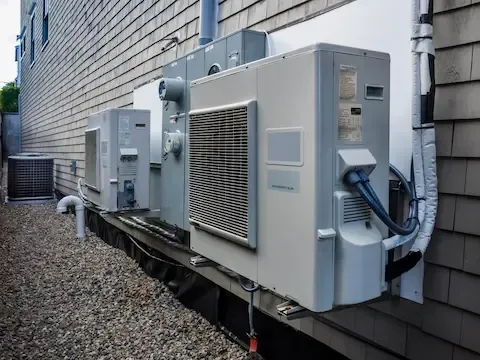
Heat Pump Performance During Wet Woodburn OR Winters
Understanding Heat Pump Challenges in Woodburn's Climate
The wet winters that define the Willamette Valley create unique challenges for heat pump systems in Woodburn. When outdoor temperatures hover between 32°F and 45°F with persistent moisture, your heat pump works harder than in dry cold conditions. The combination of humidity and fluctuating temperatures forces the system into frequent defrost cycles, which temporarily reduces heating output and increases energy consumption.
During typical Woodburn winters, outdoor humidity levels remain high while temperatures fluctuate around the freezing point. This creates ideal conditions for frost formation on your heat pump's outdoor coil. When frost builds up, it acts as insulation that blocks proper heat exchange, forcing your system to work harder to maintain indoor comfort levels.
The defrost cycle becomes your heat pump's automatic response to this frost buildup. However, during defrost mode, your system temporarily reverses operation and actually cools your home for several minutes while melting accumulated ice. In persistent wet conditions, these cycles can occur every 30-90 minutes, creating noticeable temperature swings and higher utility bills.
How Defrost Cycles Impact Your Heating Efficiency
When your heat pump enters defrost mode, it essentially becomes an air conditioner for 5-15 minutes. The outdoor fan stops, the reversing valve switches direction, and hot refrigerant flows to the outdoor coil to melt ice buildup. During this time, cold air blows from your indoor vents, and your backup heating system typically activates to maintain indoor temperature.
In Woodburn's wet winter conditions, frequent defrost cycles can reduce your system's overall efficiency by 10-25%. The energy used to power defrost cycles, combined with backup heat activation, significantly increases operating costs. Systems in consistently wet climates may defrost 8-12 times per day during peak conditions.
Modern heat pumps use sensors and timers to optimize defrost timing, but persistent moisture can overwhelm these controls. When outdoor coils remain damp between cycles, frost formation accelerates, leading to more frequent defrosting. This cycle becomes particularly problematic during the extended periods of drizzle and fog common in the Willamette Valley.
Understanding your system's defrost patterns helps you anticipate performance variations. Heat Pump systems with variable-speed technology often handle wet conditions more efficiently by adjusting operation to minimize frost formation while maintaining steady indoor temperatures.
Optimizing Performance in Persistent Moisture
Proper installation and maintenance become critical factors for heat pump performance in Woodburn's wet climate. Your outdoor unit needs adequate clearance for airflow and drainage to prevent standing water around the base. Poor drainage creates additional moisture that accelerates frost formation and extends defrost cycles.
Regular filter changes take on added importance during wet seasons. Dirty filters force your system to work harder, increasing outdoor coil temperatures and creating more dramatic temperature differences that promote frost formation. Clean filters help maintain steady airflow and reduce the conditions that trigger excessive defrosting.
Landscaping around your outdoor unit affects performance during wet periods. Dense shrubs or structures that block airflow trap moisture and reduce natural drying between weather systems. Maintaining 2-3 feet of clearance on all sides allows proper ventilation and helps moisture evaporate more quickly.
Programmable thermostats should be adjusted for wet winter conditions. Avoiding large temperature setbacks reduces the strain on your system when outdoor conditions are challenging. Smaller, more frequent adjustments help your heat pump maintain efficiency without triggering excessive defrost cycles.
Common Performance Issues During Wet Periods
Ice buildup beyond normal frost patterns indicates potential problems with your heat pump's defrost controls or refrigerant levels. When ice extends beyond the outdoor coil fins or covers the entire unit, the defrost system isn't functioning properly. This excessive ice formation severely reduces heating capacity and can damage components.
Short cycling between heating and defrost modes suggests sensor malfunctions or improper refrigerant charge. Your system should complete full heating cycles before entering defrost mode. Rapid cycling indicates the controls aren't accurately reading outdoor conditions or coil temperatures.
Backup heating systems running constantly during moderate weather points to heat pump efficiency problems. In Woodburn's typical winter temperatures of 35-45°F, your heat pump should provide most of your heating needs. Excessive backup heat usage indicates reduced capacity from frost issues or mechanical problems.
Unusual noises during defrost cycles may signal component wear or refrigerant issues. While some noise during defrost is normal, grinding, squealing, or loud banging sounds indicate mechanical problems that require professional attention. These issues often worsen in wet conditions due to increased cycling frequency.
Professional Maintenance for Wet Climate Conditions
Annual professional maintenance becomes especially important for heat pumps operating in Woodburn's wet climate. Technicians check refrigerant levels, clean coils, and calibrate defrost controls to optimize performance during challenging weather conditions. Regular maintenance can improve wet weather efficiency by 15-20%.
Coil cleaning takes priority in maintenance schedules for systems in wet climates. Outdoor coils accumulate more dirt and debris when consistently moist, reducing heat transfer efficiency. Professional cleaning removes buildup that contributes to frost formation and extends defrost cycles.
Defrost control calibration ensures your system enters defrost mode at optimal intervals. Improperly calibrated controls may defrost too frequently, wasting energy, or too infrequently, allowing ice buildup that reduces capacity. Professional calibration balances efficiency with proper ice removal.
Electrical connections require additional attention in wet climates due to increased moisture exposure. Corroded connections create resistance that reduces system efficiency and may cause premature component failure. Regular inspection and maintenance prevent costly repairs during peak heating seasons.
Selecting Heat Pumps for Willamette Valley Conditions
Modern heat pump technology offers features specifically designed for wet climate performance. Variable-speed compressors adjust operation to minimize frost formation while maintaining consistent indoor comfort. These systems can reduce defrost frequency by 30-40% compared to single-speed units.
Enhanced defrost controls use multiple sensors to optimize timing and duration of defrost cycles. Advanced systems monitor outdoor temperature, humidity, coil temperature, and system runtime to determine optimal defrost timing. This precision reduces unnecessary cycling and improves overall efficiency.
Cold-climate heat pumps maintain heating capacity at lower temperatures and handle frost conditions more effectively. These units feature improved refrigerant systems and enhanced defrost controls designed for challenging weather conditions common in the Pacific Northwest.
Proper sizing becomes critical for wet climate performance. Oversized units cycle more frequently and may not run long enough to reach optimal efficiency. Undersized systems struggle during defrost periods when capacity is temporarily reduced. Professional load calculations ensure optimal sizing for local conditions.
For homeowners considering system upgrades, Heat Pump selection guides help identify features that improve performance in wet winter conditions while maintaining year-round efficiency and comfort.
Long-term Performance Expectations
Heat pumps in Woodburn's wet climate typically maintain 85-90% of their rated efficiency when properly maintained and operated. Understanding normal performance variations helps you identify when professional service is needed versus expected seasonal changes in operation.
Utility costs naturally increase during extended wet periods due to more frequent defrost cycling and backup heat operation. Budgeting for 15-25% higher winter heating costs compared to manufacturer estimates accounts for local climate impacts on system performance.
System lifespan may be slightly reduced in consistently wet climates due to increased cycling frequency and moisture exposure. However, proper maintenance and quality installation can achieve 15-20 year service life even in challenging conditions. Regular professional service extends equipment life and maintains efficiency.
Performance monitoring through your thermostat or smart home system helps track efficiency trends and identify developing problems. Modern systems provide data on defrost frequency, backup heat usage, and overall efficiency that guides maintenance decisions and system optimization. If you're weighing your options, see our full heat pump installation guide for Woodburn homes.
If you're planning a new system, our heat pump installation guide for Woodburn homes covers sizing and setup for our wet-winter climate.

